Bedding · Practical guide
How to Get a Secure Fit from an Organic Waterproof Mattress Protector
A mattress protector should feel like a quiet, almost invisible layer: smooth beneath the sheet, secure at the corners, and ready to help guard against spills and everyday moisture. The secret to that polished finish is less about pulling harder and more about matching the protector to the mattress beneath it.
An organic waterproof mattress protector has a practical job, but its fit affects how it feels night after night. When the fabric is too tight, corners may creep upward or the surface can strain. When it is too loose, excess material gathers beneath the sheet and can make the bed feel rumpled. A well-fitted protector lies flat, remains in place as you move, and covers the mattress without compromising the comfortable feel of the sleep surface.
The most reliable place to begin is with accurate measurement. Mattress dimensions are only part of the equation: depth matters, and a topper changes the overall profile. After that, consider construction. An elasticized fitted protector and a zippered encasement are designed to secure in different ways, so the right option depends on the coverage you need and how often you expect to remove it.
Naturepedic’s Organic Waterproof Mattress Protector is made with two layers of organic cotton jersey and a thin waterproof membrane between them. Its fitted construction is designed for mattresses between 9 and 16 inches deep. Knowing how to measure, position, and care for a protector like this helps keep it smooth and functional without turning bed-making into a wrestling match.
Start with the mattress you actually sleep on
A mattress may have a familiar size label—Queen, King, or Twin—but size alone cannot confirm a snug mattress protector fit. Two mattresses with the same length and width can have different depths, and even the same mattress can change profile when a topper is added. Measure the full setup as it will be used, rather than relying on an old label or an estimate.
First, remove bedding and measure the mattress at its thickest point. Place a tape measure vertically from the bottom edge to the top surface. Avoid compressing pillow-top quilting or other cushioning as you measure; the goal is to capture the height the protector must cover in normal use. If the mattress has rounded or deeply cushioned edges, take the measurement at a representative point where the side meets the top.
Next, include any topper that will remain beneath the protector. A two- or three-inch topper can move a mattress beyond the depth range that once fit comfortably. If you sometimes use a topper and sometimes remove it, decide which arrangement the protector needs to accommodate most often. A protector sized around the topper may feel slack when the topper is absent; one sized for the mattress alone may be difficult to secure when the topper is in place.
- Measure the mattress depth: from its base to the upper surface, without pressing down on the padding.
- Add the topper: include its full thickness if it will sit beneath the protector.
- Check the dimensions: confirm the mattress width and length against the protector’s size label.
- Note unusual features: pillow tops, rounded corners, or a particularly tall profile may affect how neatly a fitted edge sits.
A few careful measurements are more useful than guessing based on appearance. They also make it easier to compare the protector’s stated depth range with the real height of your bed.
Read the depth range, not just the bed size
Manufacturers commonly list a protector’s compatible mattress depth or pocket range. This is the measurement that helps determine whether the fitted edge can reach beneath the mattress and hold its position. The Naturepedic organic waterproof mattress protector is specified to fit mattress depths from 9 to 16 inches. Compare your measured depth—including a topper—with that range before placing it on the bed.
A depth range is a guide, not an invitation to stretch the fabric to its limit. If your setup sits near the upper end, check that the protector can pass over the corners without excessive force and that the edge remains comfortably beneath the mattress. If it is well below the lower end, consider whether surplus fabric could shift or wrinkle. The aim is coverage with a little ease, not tension across the sleep surface.
If the protector’s dimensions or pocket depth are unclear, consult the product’s current specifications or contact the maker before washing or fitting it. Product details can vary by model, so rely on the instructions for the specific item rather than assuming every protector in a range has identical sizing.
Choose construction for the kind of coverage you need
A fitted protector and a zippered encasement may both protect a mattress, but they have different profiles and routines. The fitted style stretches over the upper surface and around the sides, much like a fitted sheet. It is typically quicker to put on and remove for regular laundering. An encasement surrounds the mattress more completely and closes with a zipper, which can be useful when full enclosure is part of the protection plan.
Neither construction is automatically the right choice for every bed. Think about how often you expect to wash the protector, whether you need coverage on the sides and underside, and whether your mattress is especially heavy or difficult to lift. A zippered style may take more effort to install, while an elasticized fitted style is often simpler to manage when changing bedding.
The Naturepedic protector discussed here uses a fitted design with elastic all the way around. Its two organic cotton jersey layers enclose a thin waterproof membrane. The product information describes the membrane as waterproof while allowing some water vapor to escape, and notes a quiet construction intended to avoid the crinkly feel associated with some protective layers. As with any textile, the sensation and performance can depend on the full bedding combination and individual preference.
For infant sleep spaces, follow current safe-sleep guidance and the crib mattress and protector manufacturers’ instructions. A protector should fit the specified mattress securely and should not introduce loose material or incompatible layers into a crib. Adult bedding recommendations should not be assumed to apply to a baby’s sleep setup.
How to put on a fitted mattress protector
Once the measurements check out, installation is straightforward. A calm, even approach helps prevent the fabric from twisting or straining at one corner. If the mattress is heavy, asking another person to lift one side can make it easier to position the elastic without dragging the protector across the surface.
- Identify the top and sides. Check labels or care tags so the intended sleep surface faces upward and the fitted edge is correctly oriented.
- Align the corners. Place one corner of the protector over a mattress corner, then secure the opposite corner on the same end.
- Work around the bed. Bring the remaining corners into place gradually rather than stretching one section to reach across the whole mattress.
- Smooth the surface. Run your hands from the center toward the edges, easing out folds without pulling the membrane or fabric aggressively.
- Check the perimeter. Confirm that the elastic sits beneath the mattress edge and that all four corners remain covered.
If a corner is difficult to pull down, stop and check the mattress depth, protector orientation, and whether a topper has been included in your measurement. Forcing the edge can place unnecessary strain on the fabric and seams. A correctly sized protector should be secure without requiring extreme stretching.
Place the fitted sheet over the protector only after it lies flat. Smoothness matters: a fold trapped between layers can become more noticeable once the bed is made, particularly with crisp percale sheets or a lightweight fitted sheet. A final pass around the corners helps keep the whole arrangement neat.
Keep the surface smooth beneath the sheet
A secure fit is not only about preventing the protector from slipping off. A smooth surface helps bedding sit evenly and reduces the sensation of bunching during the night. If the protector looks taut across the top but the elastic is riding high on the sides, revisit the depth measurement; the fabric may be stretched beyond the range it was designed to cover.
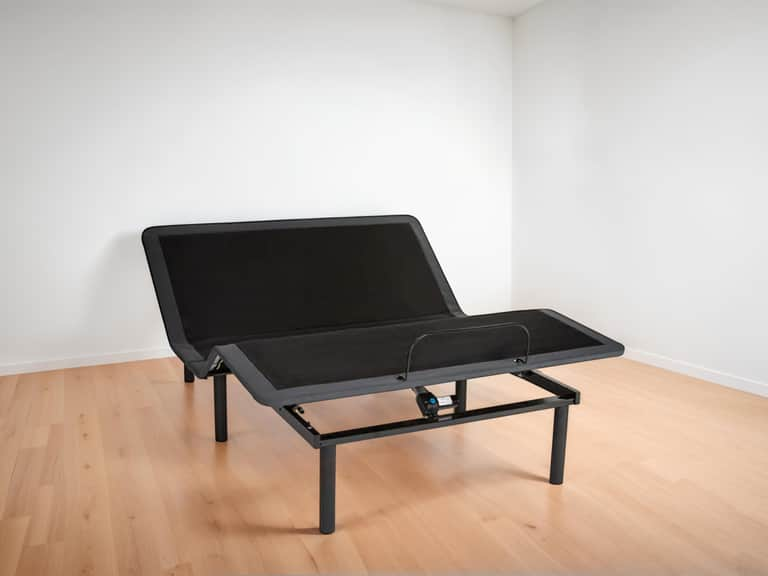
After making the bed, inspect each corner and the long sides. The protector should not pull the fitted sheet upward or create pronounced ridges under it. If you use an adjustable base, test the bed’s usual positions and check that the protector remains in place as the mattress articulates. Avoid pulling the protector tight in a way that could restrict normal movement or place strain on the edges.
Small shifts can happen with use, especially when bedding is changed or the mattress is moved. Resetting the corners and smoothing the surface during routine sheet changes is usually enough. If the protector repeatedly slides or pops free despite correct installation, recheck the dimensions and the product’s stated depth compatibility rather than compensating with excessive tension.
Care affects fit as well as protection
Care labels are part of the fit equation. Washing and drying outside the maker’s instructions may affect the hand, shape, or stretch of textile layers. For the Naturepedic organic waterproof mattress protector, the supplied product information specifies machine washing and drying and describes a fitted construction with all-around elastic. Confirm the current label on your protector for the precise temperature and drying guidance, since instructions can differ between products and may be updated.
A thoughtful routine helps protect the fabric and membrane:
- Wash the protector before first use if the manufacturer recommends it, and follow the care label each time.
- Use the recommended cycle and detergent; avoid bleach or other treatments unless the instructions explicitly allow them.
- Dry it as directed and make sure it is fully dry before returning it to the bed.
- Avoid ironing or applying direct high heat unless specifically permitted by the care instructions.
- Inspect seams, elastic, and the surface periodically for wear, damage, or changes in fit.
If a spill occurs, deal with it promptly in accordance with the care guidance. Waterproof protection can help limit liquid reaching the mattress, but it does not remove the need to clean and dry the protector. Once laundered, let the item return to its normal shape before fitting it again; pulling it onto the mattress while damp can make it harder to assess its fit and may not be appropriate for the material.
Organic materials and waterproof performance
“Organic” and “waterproof” describe different aspects of a protector. Organic claims relate to materials and, where applicable, certified production standards. Waterproof performance depends on the barrier construction and its ability to block liquid. Looking at both helps you understand what the product is designed to offer without assuming that one description guarantees the other.
Naturepedic’s protector is described as using organic cotton jersey on both sides of a thin waterproof membrane. The cotton provides the fabric surface, while the membrane is the barrier layer. This construction aims to balance moisture protection with a softer, quieter feel. The specific certifications, material details, and care requirements should always be checked on the current product information and label.
A protector can be a useful part of a cleaner, more considered sleep environment, but it is not a substitute for regular laundering or mattress care. Its purpose is to add a protective layer; it should still be kept clean, checked for wear, and replaced if damaged or no longer fitting securely.
Common fit problems—and what to check
When a protector feels wrong, the cause is often visible at the corners or along the side panels. Before deciding that the fabric itself is at fault, revisit the measurements and installation. These simple checks can help identify the source of the problem:
- The corners keep slipping off. Check whether the mattress and topper together exceed the protector’s depth range. Make sure each corner is fully positioned before moving to the next.
- The top surface has persistent wrinkles. Confirm the protector is the correct size, oriented properly, and smoothed before the sheet goes on. Excess depth can leave too much material to manage.
- The edge is difficult to pull over the mattress. Do not force it. Re-measure the full profile, including any topper, and compare it with the protector’s stated range.
- The fit changed after washing. Review the care label and check whether the item was exposed to a cycle or drying temperature not recommended by its maker.
- The protector shifts during use. Recheck the corner placement, sheet fit, and mattress dimensions. If it continues to move, confirm compatibility with the manufacturer.
A small amount of movement does not always mean the protector is unsuitable, but repeated bunching, exposed corners, or an edge that will not stay beneath the mattress are signs to reassess fit. A protector should feel integrated into the bed—not like an extra layer that must be constantly corrected.
A quick checklist before you make the bed
Before adding sheets, take a moment to confirm that the fit is right. This simple checklist can be useful when installing a new protector or after laundering:
- The mattress width and length match the protector size.
- Depth has been measured with any topper included.
- The measured profile falls within the stated depth range.
- All four corners are fully covered, and the elastic sits beneath the mattress edge.
- The top lies flat without severe tension or persistent folds.
- The protector is clean, dry, and in good condition before the sheet is added.
These small checks make a practical difference. They help the protector stay where it belongs, preserve the smooth feel of the bedding, and keep the mattress covered as intended.
A considered layer, made to disappear
The best mattress protector is not the one you notice most. It is the one that fits your actual mattress, stays quiet beneath the sheet, and can be cared for according to clear instructions. Begin with the full depth—including a topper—then compare that measurement with the protector’s stated range. Choose fitted or zippered construction according to the coverage and maintenance routine you need.
For a fitted option such as the Naturepedic Organic Waterproof Mattress Protector, careful measurement and even installation are the essentials. Let the elastic settle beneath the mattress, smooth the surface without overstretching it, and follow the care label. The result is a bedding layer that feels composed and discreet while helping shield the mattress from everyday moisture.
Frequently asked questions
Should I include a mattress topper when measuring?
Yes, if the topper will remain beneath the protector. Measure the combined depth of the mattress and topper, then compare it with the protector’s stated depth range.
How tight should a fitted protector feel?
It should stay securely beneath the mattress without extreme stretching. The top should lie reasonably flat, and the elastic should not be pulled so tightly that corners strain or lift.
Can a fitted waterproof protector feel crinkly?
The feel varies with construction and bedding. Naturepedic describes its organic waterproof protector as quiet and non-crinkly, with a thin membrane between cotton jersey layers. A sheet adds another layer between the protector and sleeper.
How often should I wash a mattress protector?
Follow the manufacturer’s care instructions and wash it when it needs cleaning, such as after a spill or as part of your regular bedding routine. Dry it fully as directed before putting it back on the mattress.