A Practical Guide to Choosing Natural Bedding Materials by Climate and Use
A Vogue-inspired exploration of cotton, linen, wool, bamboo, and hemp — decoded for climate, comfort, and the art of sustainable sleep. This guide helps homeowners balance luxury with longevity, while prioritizing certifications like GOTS and OEKO-TEX.
Why Climate and Sleep Needs Matter in Material Choice
In the realm of natural bedding, the tone is always set by the environment you inhabit and the rhythm of your nights. Climate dictates breathability, temperature regulation, and moisture management — the silent choreographers of comfort. A cotton percale sheet, crisp and cool to the touch, can feel like a couture moment in a warm climate, while a wool blanket, breathing with you through a cool, dry night, becomes a luxury that whispers sophistication rather than shouty performance.
The goal is to curate a sleep surface that behaves like a premium fabric wardrobe: adaptable, impeccably cut, and enduring across seasons. Natural materials—cotton, linen, wool, bamboo, and hemp—each bring a signature property to the bed. The science is simple, yet the impact is transformative: you want fabrics that wick moisture, regulate temperature, and resist irritation, all while staying true to non-toxic, certified origins.
Cotton: Classic Comfort with Certifications
Cotton has long been a bedrock of comfortable, breathable sleep. When sourced responsibly, it offers a supple hand, remarkable softness after washing, and a versatility that suits almost any decor. The most relevant distinction for natural beds is organic cotton, particularly when paired with a trustworthy certification such as GOTS (Global Organic Textile Standard).
GOTS-certified organic cotton ensures that the fiber’s journey—from farm to finished textile—meets rigorous environmental and social criteria. This is not merely a label; it’s a promise that dyes, processing chemicals, and farming practices align with health-conscious, planet-friendly standards. For sleepers with sensitive skin or allergies, organic cotton minimizes exposure to residual pesticides and synthetic irritants.
In warmer climates or during hot seasons, cotton sheets—particularly in percale weave—offer a crisp, cool surface. Percale’s one-over-one-under balance encourages airflow, creating a breathable layer that helps regulate temperature without bulk. If a softer, more luxurious drape is desired, a cotton sateen brings a gentler, more satiny hand while still delivering solid breathability.
Linen: Breathable Luxury for Hot Climates
Linen is celebrated for its superior breathability and moisture-wicking capabilities. It tends to feel slightly stiffer initially, softening with each wash, and it is exceptionally cool in warm weather. Linen fibers are highly absorbent and quick to dry, which translates to a naturally refreshing sleep surface. For people who sweat at night or live in humid environments, linen sheets can feel like a vacation in the middle of January—cool, airy, and unexpectedly luxurious.
The larger weave and airy texture of linen contribute to a relaxed, casual aesthetic that many designers adore. Linen also tends to wrinkle; embrace the lived-in elegance as part of the design language. Because linen fibers are strong, linen sheet sets can endure years of laundering with grace, maintaining structural integrity and a characterful texture.
Certifications matter here as well. Look for linen that is produced with responsible flax farming and processed in facilities that meet recognized standards. GOTS-certified linen is a reliable benchmark, signaling that the textile product adheres to ecological and social criteria across the supply chain.
Wool: Temperature Regulation and Hypoallergenic Comfort
Wool is a master of temperature regulation. Its natural insulating properties adapt to your body’s needs, keeping you warm in cooler months and cool in milder seasons. Wool fibers can wick moisture away from the skin, promoting a dry, comfortable sleep environment. For sleepers who experience night sweats or fluctuating temperatures, wool can offer a consistent comfort profile unrivaled by many synthetic counterparts.
Hypoallergenic attributes are often cited in relation to wool, particularly when sourced from controlled farms and processed without aggressive chemical treatments. Wool’s resilience helps maintain loft in pillows and mattresses toppers as well, contributing to a balanced sleep surface without requiring frequent replacement.
When selecting wool textiles, consider fiber handling and processing standards. Look for certifications that validate the absence of harsh chemicals and confirm responsible sourcing. For duvet covers or throws, wool blends can add a refined texture with practical warmth—perfect for a chic, sustainable bedroom aesthetic.
Bamboo and Hemp: Modern Naturals with Gentle Textures
Bamboo and hemp textiles have surged in popularity for their soft hand feel and ecological appeal. Bamboo viscose offers a silky, breathable surface that can feel luxurious against the skin, while hemp fibers deliver a rugged texture with excellent durability and moisture management. Both fibers can be processed into sheets, pillow covers, and duvet covers that align with a modern, sustainable bedroom.
Certifications help demystify these materials’ environmental footprints. When bamboo or hemp fabrics are certified under recognized standards, you gain assurance that cultivation and processing minimize pesticides, water use, and chemical additives. For sleepers, these fabrics can provide a unique balance of softness and resilience, creating an indulgent yet responsible sleep surface.
Hemp: Strength and Airflow for All-Year Comfort
Hemp is known for its durability and moisture-handling properties. Its natural breathability and resilience make it a compelling choice for bedding that lasts. The fiber’s strength translates into sheets and duvet covers that resist pilling and maintain their shape over time. For households seeking longevity in a natural material, hemp bedding provides a sophisticated blend of rough-hewn texture and modern comfort.
As with all natural fibers, seek certifications to verify responsible production. The right standards ensure non-toxic dyes, fair labor practices, and safe processing. Hemp bedding pairs beautifully with mid-century modern or earthy interiors, adding a tactile richness that elevates the entire sleep environment.
A Quick Material Comparisons: When to Choose What
-
Cotton vs Linen — Cotton offers a smooth, versatile feel and crisp breathability, especially in percale. Linen excels in heat and humidity management, with a more textured, relaxed hand.
-
Wool vs Bamboo — Wool is excellent for temperature regulation and loft in toppers and pillows; bamboo provides a silky-smooth surface with strong moisture-wicking and a modern aesthetic.
-
Hemp vs Cotton — Hemp is durable and moisture-transporting with a natural texture; cotton is more forgiving and softens with washing, a versatile choice for any climate.
-
Seasonal Considerations — In warm seasons, favor lighter weaves (percale cotton, lightweight linen). In cooler months, heavier linens, wool blends, or cotton-sateen with a plush feel provide warmth without sacrificing breathability.
Care, Longevity, and How to Decide Based on Budget, Allergies, and Maintenance
A premium natural bedding setup is an investment in daily comfort. Yet the value is amplified by proper care. Organic fibers respond best to gentle washing cycles, cool water temperatures, and air drying when possible. Avoid high heat for natural fibers to prevent shrinking, distortion, or fiber fatigue.
If allergies or skin sensitivities are a concern, prioritize fabrics with clear certifications and low chemical processing marks. GOTS and OEKO-TEX provide robust guarantees of safer textiles, reducing exposure to irritants and synthetic residues. The goal is a sleep surface that remains breathable, soft, and free from chemical off-gassing across seasons.
Budget considerations come into sharper focus with long-term use. While linen or high-thread-count organic cotton may command higher upfront costs, their durability and timeless appeal yield long-term value. For families seeking a balance between luxury and practicality, consider strategic layering: a premium linen sheet set paired with organic cotton pillowcases, and a wool blanket for transitional seasons.
Certifications to Look For
Certifications are your first clue to a responsible textile. GOTS is widely recognized for organic fibers and cradle-to-gate processing criteria. OEKO-TEX adds a system-level guarantee that textiles are free from a broad spectrum of harmful substances. For plant-based foams or latex, look for certifications that confirm responsible sourcing and processing, such as GOLS (Global Organic Latex Standard) for latex components.
When evaluating bedding products, read the full certification scope. Some certifications focus on a single aspect of production, while others verify the entire supply chain. The most reassuring approach is to seek products that clearly disclose the fiber origin, processing steps, and any additives in a consumer-friendly way. This transparency aligns with the refined, evidence-based mood of a Vogue-worthy natural bedroom.
Putting It All Together: A Three-Climate, Three-Use Plan
To translate theory into practice, imagine three archetypal bed scenarios that reflect climate realities and sleep needs.
-
Warm, Dry Climate + Light Sleepers: Choose breathable cotton percale sheets for a crisp feel, paired with a lightweight linen duvet cover for evenings that require a gentle breezy touch. Top it with a wool or wool-blend underlay for seasonal loft without overheating.
-
Cool, Humid Climate + All-Season Comfort: Linen sheets with a cotton blend pillowcase offer outstanding airflow. Add a mid-weight wool blanket for cooler nights, and consider a bamboo layer for moisture management and a whisper-soft touch.
-
Moderate Climate + Allergy Concern: Organic cotton sheets with GOTS certification, coupled with a bamboo or wool blend mattress topper for added support and comfort. A cotton sateen duvet cover can balance plushness with breathability for sensitive skin.
A Quick Glossary of Key Terms
- GOTS: Global Organic Textile Standard, ensuring organic status and responsible processing.
- OEKO-TEX: Independent testing system that certifies textiles free from harmful substances.
- GOLS: Global Organic Latex Standard for organic latex products.
- Percale: A tight, breathable cotton weave known for a crisp finish.
- Sateen: A weave producing a softer, more luxurious hand with a subtle sheen.
Practical Resources and Product Considerations
The world of natural bedding is rich with options that honor both aesthetics and ethics. When evaluating products, consider not just the fiber but the entire experience: weight, drape, temperature regulation, and how the fabric responds to washing. A truly Vogue-worthy bed feels curated, yet effortless—like a well-composed outfit that wears better with time.
For readers seeking tangible choices that align with the themes of natural materials and responsible design, consider exploring items such as Naturepedic toppers or linen sheet sets that carry explicit certifications. When a product name or brand is mentioned, it should be accurate, traceable, and aligned with the article’s non-commercial voice.
Finally, A Note on the Brand Narrative
The account of a bedroom’s transformation is a personal one—an intimate narrative told through textiles, textures, and the quiet luxury of well-chosen fibers. This guide aims to empower you to script that narrative with confidence: to select materials that breathe with your climate, to layer pieces that endure, and to curate a sleep space that is as stylish as it is sustainable.
Related Product Spotlight (Curated, Non-Intrusive)
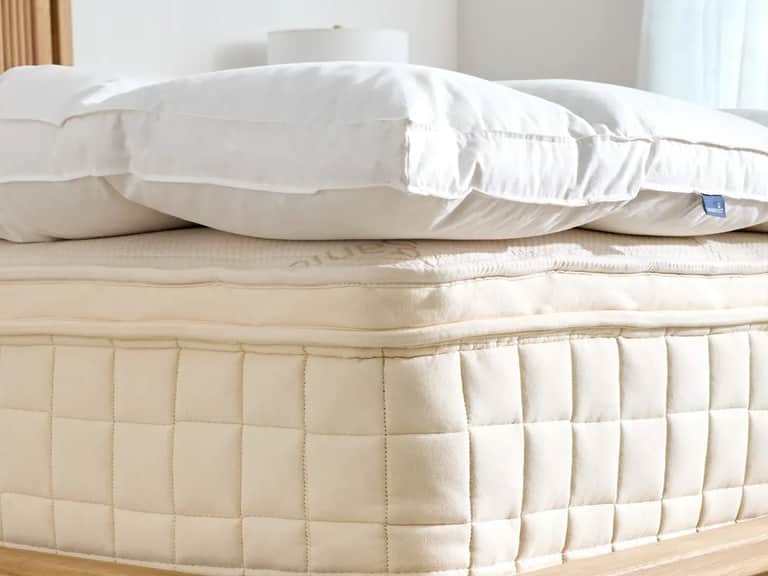
If you’re exploring natural materials that align with the guide’s ethos, consider a high-quality latex topper that complements an organic mattress. The Naturepedic Box-Stitched Organic Latex Topper is a prime example of a natural enhancement: a GOTS-certified organic cotton cover surrounding a GOLS-certified organic Dunlop latex core, designed to provide disciplined pressure relief while maintaining breathability. The topper’s 3-inch profile offers an elevated surface with even fill distribution, contributing to a refined sleep environment without compromising the natural, toxin-free promise at the heart of this guide.
For more detailed product specifics and certifications, you can review official product pages that detail material origins, processing standards, and care instructions. This keeps the focus on material knowledge while offering credible, practical extensions for readers seeking to pair theory with applied choices.
Note: This article adheres to a non-commercial editorial voice, highlighting natural bedding materials and their climate-appropriate applications. Any product references are included to illustrate material capabilities in alignment with the discussed guidelines.