The Natural Bedroom · Bedding Guide
Why Fitted Sheets Slip on Deep Mattresses—and How to Choose Better-Fitting Natural Sheets
A fitted sheet should feel like a quiet finishing touch, not a nightly negotiation. When corners spring loose or fabric gathers beneath you, the problem may be less about the sheet’s nominal size than the height, layers and proportions of the mattress it is meant to cover.
Published November 4, 2026
A beautifully made bed has a certain ease: smooth at the corners, relaxed across the surface, composed without looking overworked. A fitted sheet that slips disrupts that balance. It pulls away from the mattress, exposes a corner, or bunches into a ridge just where you want the fabric to lie flat. The annoyance is familiar, but the explanation is often straightforward: the sheet’s pocket does not have enough usable depth for the mattress it is covering.
That mismatch can be easy to overlook. A mattress may be advertised as queen or king, and the fitted sheet may carry the same size label, yet neither label says whether the sheet can accommodate the mattress’s height. A plush topper, mattress pad or protective layer adds more. The elastic must travel around the full stack and reach underneath far enough to hold. If it cannot, movement during sleep can draw the corners upward, however carefully the bed was made.
The remedy begins not with buying the tightest-looking sheet or blaming the elastic, but with measuring the bed as it is actually used. Once you know the mattress dimensions, total height and fitted-sheet pocket depth, you can compare them with much greater confidence. Then consider the material and construction: natural sheets offer distinct textures and degrees of give, and those details influence how they settle on the bed.
The quiet arithmetic of a fitted sheet
A fitted sheet is shaped to cover the top of a mattress, wrap down its sides and tuck beneath its edges. Its elasticated corners—or, in some designs, elastic running around the entire perimeter—help keep that fabric in place. The pocket is the portion that accommodates the mattress’s depth. A sheet with a pocket that is too shallow has to stretch farther than its design allows; one that fits only just may lose its grip as the bed is used.
Think of the sheet as needing more than the mattress’s vertical measurement. It must cover the top surface, descend the sides and leave enough material to anchor beneath the mattress. For a practical first comparison, measure the mattress height and check the manufacturer’s stated pocket depth. If the sheet’s pocket depth is close to the mattress height, there may be little fabric left to tuck under. The exact fit depends on the sheet’s construction and the manufacturer’s measurement method, so a little extra depth is often useful.
Descriptions such as “deep pocket” are not a universal measurement. One maker may use the phrase for a particular depth, while another may use it for a different one. Look for a number in inches whenever possible, and check what the figure represents. It may describe the maximum mattress depth the fitted sheet is designed to cover, rather than the amount of fabric available to tuck beneath the mattress.
Measure the bed you sleep on—not the mattress in isolation
The most useful measurement is the total height of the surface you intend the sheet to cover. If you routinely keep a topper and mattress protector on the bed, measure with those layers in place. Starting at the bottom edge of the mattress, measure vertically to the top of the final layer. Do not compress a lofty topper while measuring; the sheet needs to accommodate its resting height, not a squashed version of it.
Next, check the mattress’s length and width. Fitted-sheet sizing is not always identical across brands, and the proportions of some mattresses vary even when they share a familiar size name. If your bed has an unusual profile, an adjustable base, rounded corners or a particularly thick quilted surface, those details matter too. Make a note of the exact mattress size and the depth at several points if the surface is uneven or the topper shifts.
- Measure the mattress height: include any topper, pad or protector that remains beneath the sheet.
- Check length and width: compare them with the sheet maker’s size information rather than relying on the label alone.
- Read the pocket-depth specification: confirm the maximum mattress depth the fitted sheet is intended to fit.
- Look for added layers: a quilted pad can contribute meaningful height, even when it seems visually slim.
- Allow for a secure tuck: a sheet that only reaches the mattress edge may not have enough material to stay anchored.
If the sheet repeatedly comes loose at one corner, check whether the mattress or topper is the same height all the way around and whether the fabric has been pulled evenly over each corner. If every corner lifts, a depth mismatch is more likely. A sheet can also slip because the mattress and fabric dimensions are poorly matched, the elastic has lost resilience, or the fabric has shrunk after washing. Several causes can appear at once; a tape measure helps separate them.
Why toppers change the fit
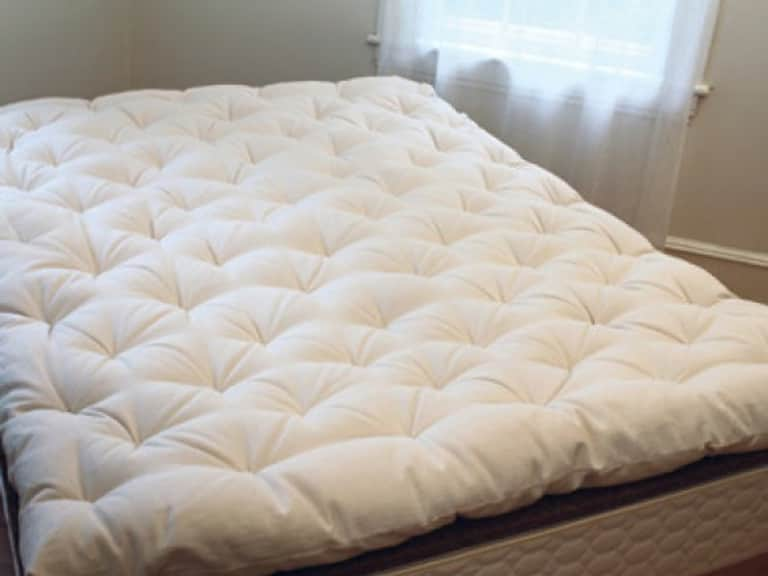
A topper can refresh the feel of a mattress, but it changes the geometry of the bed. Even a comparatively modest layer adds height to the surface the fitted sheet must cover. A sheet that fit securely before the topper was introduced may now have to stretch farther down the sides, leaving little fabric underneath to resist movement.
The same issue can arise with a mattress pad or a protective layer designed to sit beneath the fitted sheet. With a waterproof protector, for example, the added material may be thin but still contribute to the total stack; a thick, quilted pad can add considerably more. Measure the complete arrangement rather than assuming that the mattress specification alone determines the needed pocket depth.
It is also worth checking how the layers behave together. A topper that slides over the mattress can tug the sheet along with it. A protector with a loose fit may wrinkle beneath the sheet, making the surface feel uneven even when the fitted sheet itself is deep enough. Secure each layer according to its design, then reassess the fit before replacing the sheet.
Natural fabrics: feel, drape and a little give
Natural sheets are not interchangeable in the way they feel or fall. Cotton percale, linen and smoother cotton weaves each bring a different character to the bed. None can compensate for a pocket that is substantially too shallow, but fabric and construction can influence how a well-sized sheet behaves.
Cotton percale: crisp and composed
Percale is known for a crisp, matte hand and a light, breathable feel. Its balanced plain weave gives it a clean, tailored appearance, making it an appealing choice for sleepers who prefer a cool, freshly made-bed sensation. Because percale is not generally chosen for a clingy stretch, accurate sizing matters: the fitted sheet needs enough depth and well-placed elastic to stay put without relying on fabric give.
When comparing organic cotton sheets, look beyond the word “organic.” Check the weave, pocket depth, fitted-sheet dimensions and care instructions. A fabric can be beautifully soft and thoughtfully sourced yet still be the wrong fit for a tall mattress. Certifications may help verify particular claims about materials or processing, but they do not tell you whether the pocket will suit your bed.
Linen: relaxed drape, exact measurements
Linen brings a more relaxed, textured appearance. Made from flax, it is often valued for its airy character and moisture management, and it softens with use and laundering. Its natural drape gives a bed an unstudied elegance, but a relaxed look should not be mistaken for a loose fit. A linen fitted sheet still needs sufficient pocket depth and a perimeter that corresponds to the mattress dimensions.
Linen may feel less sleek and more textured than cotton percale, and its surface can appear gently rumpled by design. Those qualities are aesthetic and tactile; they are not a substitute for secure elastic or adequate fabric beneath the mattress. If you prefer a very smooth, taut finish, consider how the linen’s natural texture will look after a night’s sleep as well as how the sheet fits when first made.
Smooth cotton weaves and pocket specifications
Sateen and other smoother cotton constructions can have a softer, more fluid hand than percale. They may drape differently over the bed, but the practical questions remain the same: how deep is the pocket, what mattress dimensions does it fit, and how is the elastic arranged? Thread count alone cannot answer any of them. A higher thread count is not a promise of a more secure fit, and a luxurious surface cannot correct a mismatch in dimensions.
Elastic matters—but it cannot do everything
Elastic construction is one of the details that distinguishes a fitted sheet that stays composed from one that slowly works its way free. Some sheets use elastic only at the corners; others have elastic running around the full perimeter. Either design can work when the sheet is correctly sized and well made, though a full-elastic edge may offer a more continuous hold around the mattress.
Pay attention to the corner seams as well as the elastic. Deep, clearly constructed corners can help the fabric sit securely, while insufficient corner depth may leave the sheet strained across the mattress’s upper edge. If product information is sparse, look for a manufacturer’s fit guidance or ask whether the stated pocket depth includes room for a tuck. The more exact the specifications, the less guesswork there is.
Elastic can also lose resilience over time, especially if sheets are exposed to high heat or washed more aggressively than the care label recommends. A sheet that once fit well but now pops off may not need a deeper pocket; it may simply be worn. Inspect the elastic and stitching, and compare the sheet’s current fit with a newer one if you have it. Follow the maker’s laundering instructions, including recommended wash temperature and drying method, to help preserve the fabric and construction.
A measured approach to choosing natural sheets
Before shopping, write down three pieces of information: the mattress’s length and width, its height, and the total height with all the layers you plan to keep beneath the fitted sheet. Then compare those measurements with the product specifications. If the listing gives a range—such as a fitted sheet designed for mattresses up to a stated depth—make sure your layered bed falls within that range, while leaving room for a secure tuck where possible.
For a useful example of why specifications matter, the Naturepedic Organic Supima Cotton Sheet Sets list a 16-inch fitted-sheet pocket. That figure can help a shopper compare the sheet with a measured mattress, but it should not be treated as a universal fit guarantee: the actual result depends on the mattress dimensions, added layers and how much fabric is needed to anchor beneath the edge. The set is made with a 300-thread-count, two-ply organic Supima cotton fabric and is offered in Queen, King and California King sizes.
When you are deciding among natural sheets, use a short checklist rather than choosing by feel alone:
- Fit first: the stated pocket depth should suit the complete mattress stack.
- Choose the weave for its character: percale is crisp and light; linen has a relaxed, textured drape; smoother cotton weaves feel more fluid.
- Check construction: review elastic placement, corner depth and fitted-sheet dimensions.
- Match care to your routine: laundering affects longevity, softness and, in some cases, fit.
- Read claims precisely: distinguish fiber and certification information from practical fit specifications.
When a sheet is too deep
More pocket depth is not automatically better. A sheet with substantially more fabric than the mattress needs may feel loose, leave excess material under the corners or gather across the surface. Some flexible constructions can accommodate a range of depths more gracefully than others, but a very oversized pocket may still compromise the neatness of the fit.
That is why “buy the deepest pocket available” is not an ideal rule. Aim for a pocket that accommodates the measured mattress and its layers, with enough allowance to tuck securely. If you are between sizes or the maker’s sizing guidance is unclear, contact the manufacturer with the mattress dimensions and ask what depth they recommend. A precise answer is more useful than a generic deep-pocket label.
A final fit check
Once the sheet is on the bed, fit each corner without forcing the fabric. The sheet should lie smooth across the top and descend evenly along the sides. If one corner is stubborn, check that the sheet is oriented correctly and that the mattress dimensions match its intended size. A corner that can only be stretched into place under obvious tension may be a sign the pocket is too shallow—or the sheet is too small overall.
After making the bed, sit or lie down and see whether the surface shifts. A little natural movement is normal; repeated corner release is not something you need to accept as the price of choosing organic cotton or linen. Recheck the layers, depth and elastic before deciding that the fabric itself is at fault. If the sheet is new, inspect its care label before the first wash, since laundering can alter the hand and dimensions of natural fibers.
Good bedding is not merely a matter of appearance. The right sheet allows the texture of natural fibers to be enjoyed without constant adjustment, bringing comfort and order to the everyday ritual of making a bed. Measure the mattress as it exists in your room, read pocket-depth specifications carefully and choose a fabric whose feel suits your sleep. With those details settled, a fitted sheet can return to its proper role: an elegant, dependable layer that stays quietly in place.
Frequently asked questions
How do I measure mattress depth for fitted sheets?
Measure vertically from the bottom edge of the mattress to the top surface. Include any topper, pad or protector that will remain beneath the fitted sheet. Keep the layers in their normal, uncompressed position, then compare the total height with the sheet’s stated pocket depth and fit guidance.
Will a deep-pocket sheet stop fitted sheets from slipping?
It can help if the current sheet’s pocket is too shallow, but “deep pocket” is not a standardized measurement. Confirm the actual depth and compare it with the complete mattress stack. A sheet that is much too deep can also feel loose, so choose a pocket suited to your bed rather than simply selecting the largest one.
Are organic cotton sheets less likely to slip?
Organic status describes how cotton is grown and processed under the relevant standard; it does not by itself determine fitted-sheet grip. Pocket depth, mattress dimensions, corner construction and elastic placement are more directly related to fit. Compare those specifications whether you choose organic cotton, linen or another fabric.
Do linen sheets need a larger pocket than cotton sheets?
Not as a rule. Pocket depth depends on the sheet’s pattern and the mattress it is designed to fit, not simply on whether the fabric is linen or cotton. Linen’s relaxed drape and cotton percale’s crisp feel create different surface effects, but both need enough depth and suitable dimensions to remain securely fitted.
Why did my fitted sheet start slipping after I added a topper?
The topper increased the total height the fitted sheet must cover. That leaves less material available to tuck under the mattress and can put extra strain on the corners. Measure the bed with the topper in place and compare the result with the sheet’s stated pocket depth.