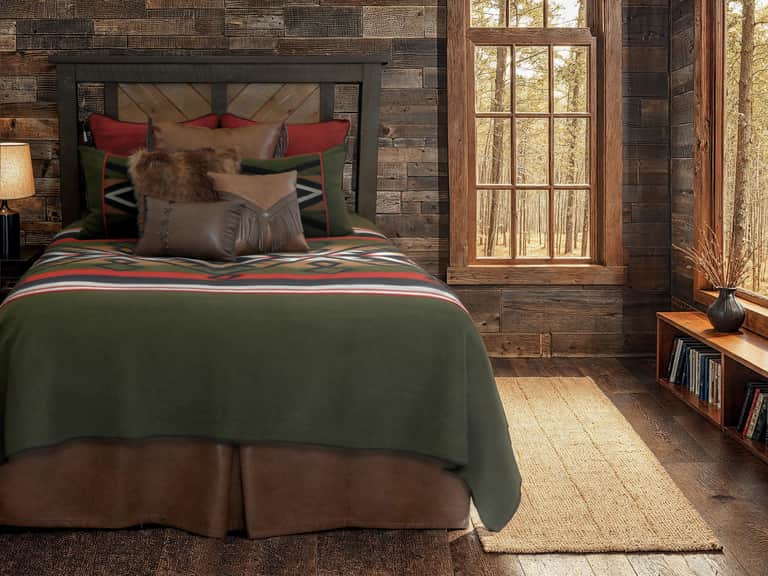
Blankets and quilts form essential layers in a sleep environment, contributing to warmth, insulation, and overall comfort. This category explores natural materials, construction methods, and care guidelines that influence thermal regulation, humidity management, and breathability. Understanding these factors helps select pieces that align with climate, personal preference, and health-conscious bedding goals, including organic and sustainable options.
Natural fibers such as cotton, wool, and linen offer varied warmth profiles, softness, and durability. Performance in blankets and quilts often depends on weave density, batting, and fiber blend. Knowledge of fill power, weight, and fiber sourcing informs decisions for seasonal use, allergy considerations, and long-term bedding performance without sacrificing comfort.
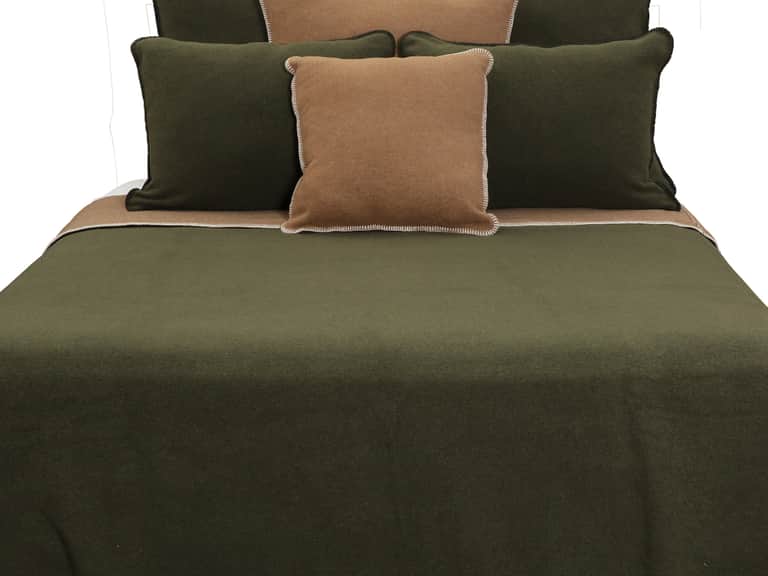
The Solid Sage Bedspread exemplifies minimalistic design with functional warmth and durable construction, featuring a muted green hue and breathable fabric. The Paloma Earth Bedspread adds a textured finish and robust weight, providing evenly distributed warmth suitable for cooler nights. Both designs emphasize timeless aesthetics and practical layering in bedding ensembles.
Key features to evaluate include thread count, finish, edge binding, and care requirements, which affect longevity and ease of maintenance. Quilts often balance warmth with loft, while bedspreads focus on drape and coverage. Understanding these attributes supports informed decisions for sleep quality, room ambience, and compatibility with organic mattresses and other bedding components.
For users prioritizing natural and sustainable bedding, consider how materials interact with humidity control, temperature regulation, and hypoallergenic properties. Meta keywords such as bedding, pillows, sheets, duvet covers, and organic mattresses align with a holistic approach to sleep environments, where blankets and quilts complement other natural textiles in a healthy, comfortable bedroom setting.
 Bedding