Comforters provide a primary layer of warmth and insulation, designed to regulate temperature while you sleep. In natural beds, these ensembles emphasize breathable materials and thoughtful construction to minimize overheating and cold spots. Understanding comforter features helps identify alignments with individual sleep environments, including climate, humidity, and bed setup, for optimized nocturnal comfort.
Key characteristics include fill type, fabric shell, and loft. Hypodown® Bed, for example, combines the lightness of down with the resilience of synthetic fibers, offering full-body comfort without excessive weight. The breathable composition supports airflow, reducing heat buildup while maintaining a stable warmth profile across seasons.
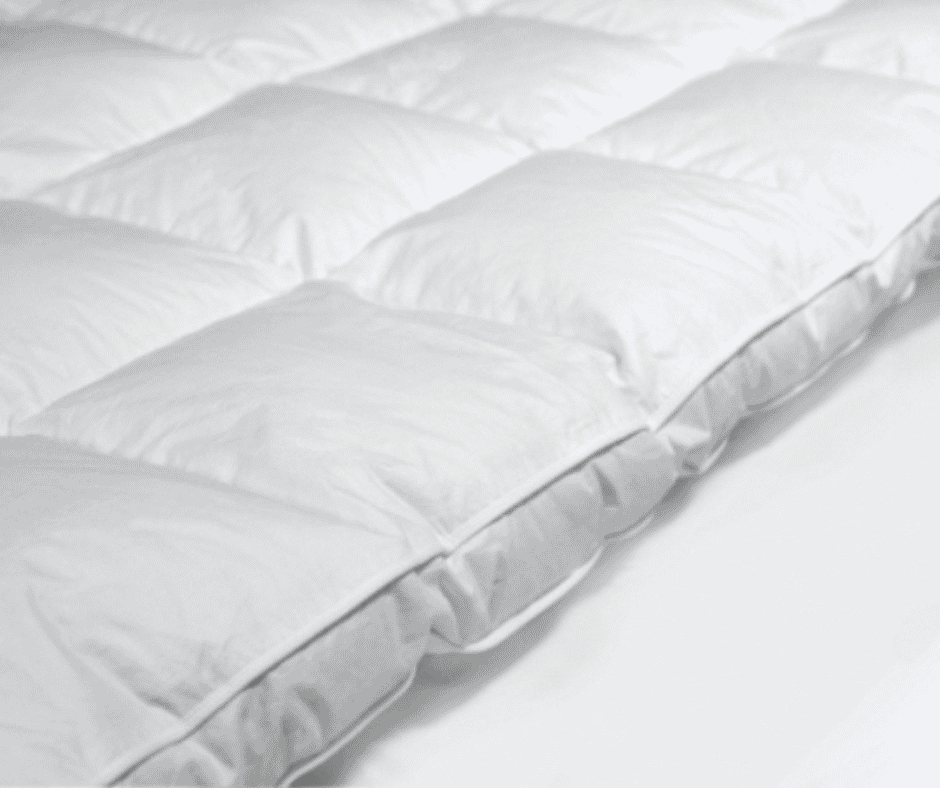
Fill power, fill weight, and stitching patterns influence warmth retention and durability. Hypodown® Bed typically showcases balanced loft that distributes warmth evenly, preventing cold shoulders and drafts. A high-quality shell fabric enhances softness and moisture management, contributing to a healthier sleep surface and long-term comfort.
In selecting a comforter, consider compatibility with existing bedding like sheets, duvet covers, and pillows. Naturalbeds focus on materials and finishes that promote sleep health and sustainable use. For users with sensitive skin or allergies, hypoallergenic fabrics and responsibly sourced fills can reduce irritation while maintaining comfort and thermal regulation.
Practical uses of comforters extend beyond seasonal layering; they can be paired with organic mattresses and breathable bedding sets to sustain sleep quality. Knowledge of product features—such as breathability, weight, and durability—helps assess suitability for different sleep styles, from side to back sleepers, while aligning with keywords like bedding, pillows, sheets, duvet covers, and organic mattresses.
 Bedding