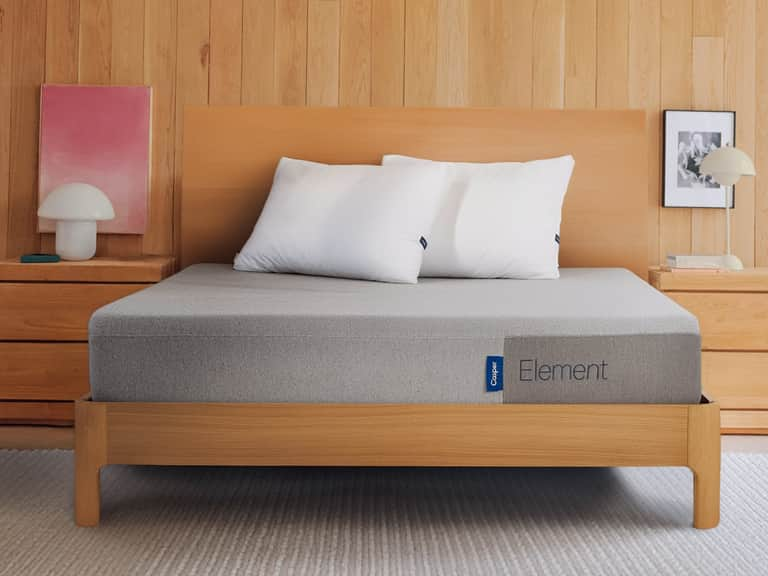
Foam mattresses are designed with resilient cushioning materials that contour to the body and distribute pressure across the sleeping surface. Their construction can provide a more uniform feel than traditional spring designs, while helping limit motion transfer between sleeping partners. Firmness, thickness, and foam composition are key factors in comfort and support.
The Element Mattress is the named product in this category. Its foam construction is intended to create a cushioned sleep surface that responds to body weight and helps support common sleeping positions. Mattress feel depends on the materials and layer arrangement, so details such as firmness and responsiveness are useful when comparing sleep needs.
Foam mattress performance is influenced by density, layer design, and the materials used. These characteristics affect cushioning, durability, pressure relief, and how readily the surface responds to movement. A well-matched mattress can support comfortable rest, while room temperature, body type, and personal firmness preferences also shape the overall sleep experience.
Choosing compatible bedding can help maintain a comfortable sleep environment. Pillows support the head and neck, while sheets and duvet covers provide a breathable or warmer surface depending on their fabric and weave. Mattress dimensions and depth matter when selecting fitted sheets, and regular care helps bedding remain clean and usable.
Foam mattresses may be considered alongside organic mattresses when evaluating materials and environmental preferences. The term organic relates to material sourcing or certification, not simply to foam construction, so product specifications should be checked carefully. Understanding these distinctions helps clarify how a mattress fits into broader bedding choices and individual comfort requirements.
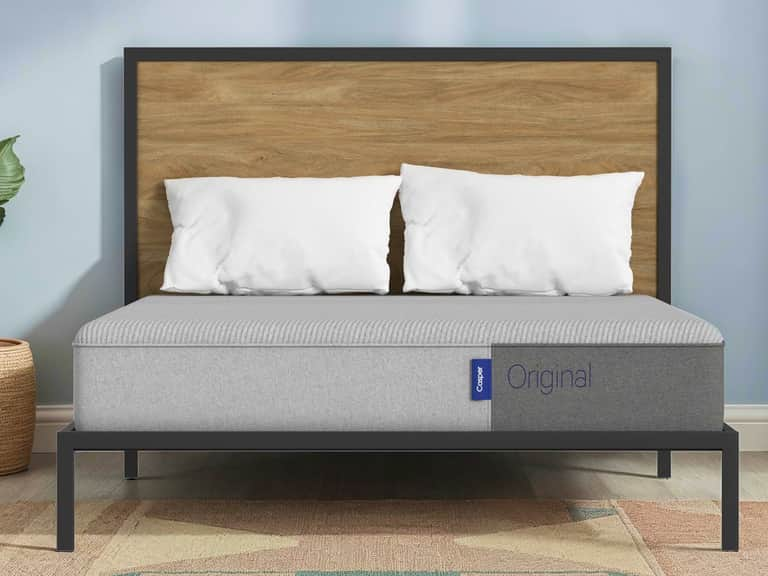 Mattresses